Just How POS System Functions: A Comprehensive Overview for Service Owners
A POS system acts as a crucial device for modern-day organizations, incorporating numerous components to improve operations. It encompasses equipment like barcode scanners and software application to buy tracking. This system not just processes purchases yet also manages inventory and evaluates customer behavior. Understanding its capability can substantially influence an organization's performance and decision-making. What are the crucial elements that add to this effectiveness? Exploring these parts supplies useful insights.
Understanding the Elements of a POS System
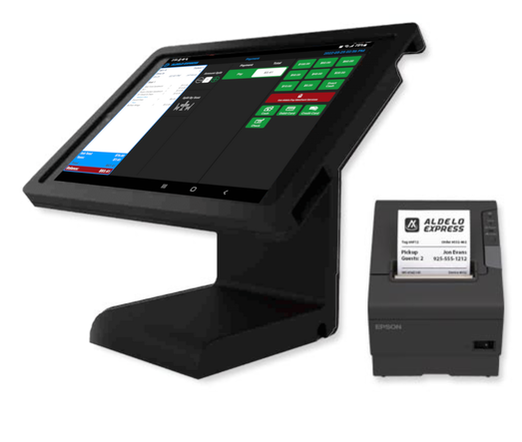
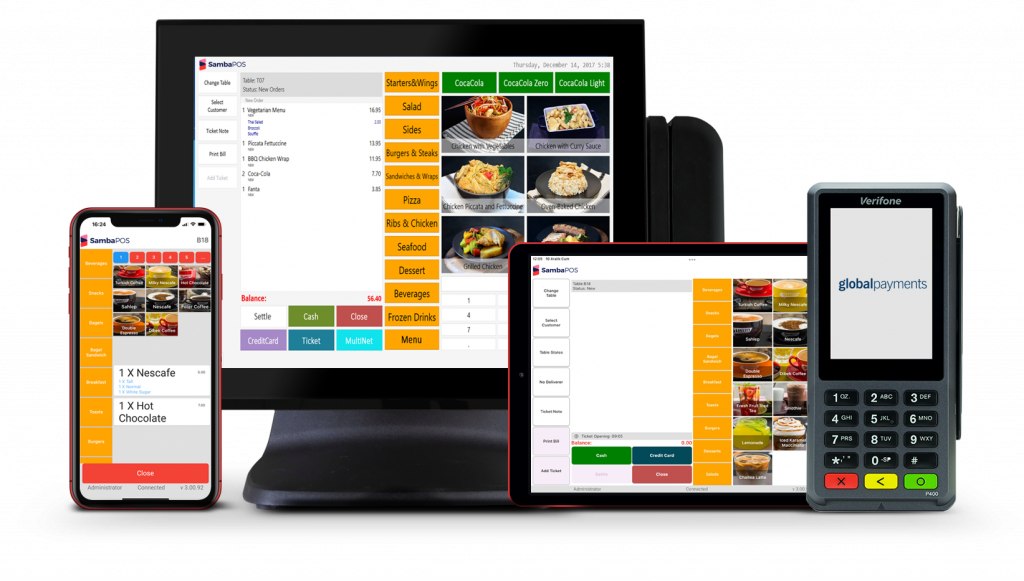
A Factor of Sale (POS) system is composed of several vital parts that interact to facilitate transactions and manage business procedures. At its core, the equipment consists of tools such as a sales register, barcode scanner, invoice printer, and repayment terminal, all necessary for refining sales (Restaurant POS Software). The software application element handles inventory, sales monitoring, and consumer information, offering important insights for service decisions.Additionally, databases save transaction records and consumer details, guaranteeing information integrity and safety and security. Network connectivity makes it possible for real-time updates and accessibility to cloud-based services, improving operational effectiveness. Interface, made for simplicity of usage, allow team to navigate the system quickly, minimizing training time. With each other, these components develop a cohesive system that streamlines the sales procedure, improves customer support, and help in effective monitoring of business resources. Recognizing these components is important for company owner seeking to enhance their POS systems
Just How Sales Transactions Are Processed
When a customer decides to buy, the sales transaction starts a collection of methodical actions within the POS system. Initially, the cashier inputs the items being bought, which are scanned with a barcode viewers or by hand entered. This action fetches item details, including rates and appropriate taxes, from the system's database.Next, the customer exists with the total amount due. The POS system then refines the repayment, whether through cash, charge card, or mobile payment approaches. For digital repayments, the POS firmly interacts with repayment processors to license and confirm the transaction.Once the repayment is validated, the system creates an invoice, which can be published or sent digitally. This receipt works as receipt for the consumer. Lastly, the purchase information is taped in the system, making certain exact sales records and economic monitoring for the service.
Supply Monitoring and Monitoring
Reliable stock administration and monitoring are necessary parts of a POS system, as they ensure that services keep optimal stock degrees and minimize disparities. A robust POS system enables real-time stock updates, mirroring sales and returns instantaneously. This makes it possible for entrepreneur to monitor supply levels precisely, guaranteeing that preferred items are conveniently available while protecting against overstocking of less preferred products.Additionally, advanced POS systems offer functions such as computerized stock signals and reorder ideas, streamlining the purchase procedure. Barcoding and RFID innovation boost precision in tracking inventory activity, minimizing human error. Extensive coverage tools give understandings into stock turn over prices, helping businesses have a peek here make educated decisions concerning buying and item offerings. Eventually, effective supply administration with a POS system not just improves operational effectiveness yet also improves client satisfaction by making sure item schedule.

Evaluating Customer Data and Insights
Client information evaluation functions as an effective device for companies utilizing a POS system. By collecting and checking out purchase data, companies can uncover beneficial understandings regarding customer actions and preferences. This evaluation allows them to identify acquiring patterns, peak shopping times, and preferred items, thus informing supply decisions and marketing strategies.Additionally, organizations can sector their consumer base, enabling customized advertising efforts that deal with details demographics or acquiring routines. Comprehending customer commitment patterns additionally assists in developing targeted promos and incentives programs.The data gleaned from a POS system can additionally disclose insights into consumer feedback, enabling businesses to make informed decisions regarding product offerings and solution enhancements. Inevitably, leveraging consumer data successfully can improve the total shopping experience, foster consumer contentment, and drive recommended you read earnings development.
Advantages of Carrying Out a POS System
Carrying out a POS system uses many benefits that can significantly enhance business operations. To start with, it simplifies deal procedures, minimizing delay times and boosting customer fulfillment. By automating sales processes, companies can lessen human error and guarantee exact record-keeping. Furthermore, a POS system supplies important data analytics, enabling proprietors to track sales fads and stock degrees in real-time. This understanding sustains educated decision-making, aiding to optimize stock management and marketing strategies.Moreover, many POS systems integrate with other organization tools, such as audit software application, simplifying monetary administration. Boosted staff member management functions, such as tracking hours and performance, further contribute to operational efficiency.Lastly, the application of a POS system can result in increased revenue through improved customer experiences and critical insights, eventually fostering organization development and sustainability.
Often Asked Questions
What Kinds Of Companies Can Gain From a POS System?
Just how much Does a POS System Usually Expense?
The price of a POS system generally varies from a couple of hundred to numerous thousand dollars, depending on features, hardware, and software - Restaurant POS Software. Services should take into consideration ongoing fees for upkeep, support, and transaction processing when More hints budgeting
Can I Integrate a POS System With Existing Software?
Integrating a POS system with existing software is often practical. Several systems use APIs or integrated compatibility functions, allowing services to enhance procedures and boost functionality by linking numerous software program applications effectively.
What Training Is Required for Staff to Utilize a POS System?
Educating for staff to use a POS system usually includes understanding software capabilities, processing transactions, managing inventory, and taking care of consumer interactions - Restaurant POS Software. Practical presentations and hands-on practice boost proficiency and confidence in operation the system successfully
What Takes place if the Net Decreases While Making Use Of a POS System?
If the web drops during POS system use, purchases might be interrupted. Many systems supply offline abilities, permitting fundamental operations to continue, but full functionality, including real-time inventory updates, will be limited.